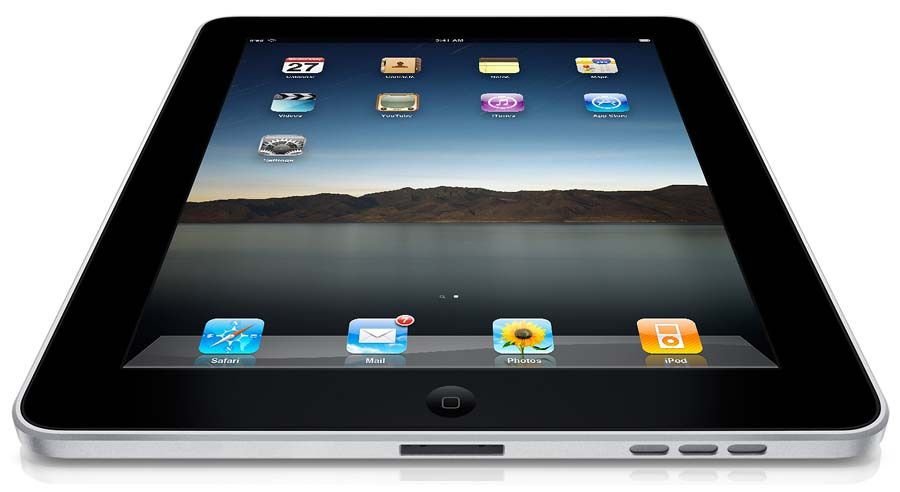
Picture this: April 3, 2010. The world was still grappling with smartphones, and laptops reigned supreme for productivity. Then, Steve Jobs stepped onto a stage and unveiled a device that truly bridged the gap, launching an entirely new category of personal computing. The original iPad First Generation wasn't just another gadget; it was a bold statement, a vision of how we would interact with technology for years to come.
This device, with its expansive 9.7-inch display, invited us to touch, swipe, and interact in ways that felt both natural and revolutionary. It wasn't merely a bigger iPhone or a stripped-down laptop; it was something entirely different, promising a more intimate and intuitive computing experience. From browsing the web on the couch to reading books in bed, the first iPad reshaped our expectations and sparked a global fascination with tablets.
Unveiling the Genesis: A Tablet's Origin Story
The journey to the original iPad was paved with innovation, daring vision, and a touch of Apple's characteristic secrecy. Before its grand reveal, the very concept of a tablet that was neither a phone nor a full-fledged computer felt almost mythical. Apple didn't just build a device; they cultivated an entirely new paradigm, demonstrating what was possible when design and user experience took center stage.
Delving into its roots helps us understand the magnitude of its arrival and how it fit into the broader tech landscape of the time. To truly appreciate this groundbreaking journey and the foundational ideas that brought it to life, we invite you to Explore the original iPads history.
The Core of Innovation: Design and Specifications That Defined a Category
Upon its release, the iPad First Generation was a marvel of minimalist design and purposeful engineering. Its 9.7-inch multi-touch IPS LCD screen, with a resolution of 1024x768 pixels, offered a vibrant canvas for apps, web pages, and media. Powering this experience was Apple's custom-designed A4 chip, a significant leap forward in mobile processing that ensured smooth performance despite the absence of a camera or complex multitasking features seen in later models.
Despite lacking features now considered standard, like cameras, its 30-pin connector was a familiar sight for existing Apple users, allowing for charging and data transfer. These deliberate choices highlighted Apple's focus on a singular, immersive experience rather than feature-bloat. To get a closer look at the components and aesthetic choices that made this device so distinctive, you'll want to Discover iPad 1s design and specs.
A New Digital Canvas: Software and User Experience
The magic of the original iPad wasn't just in its hardware; it was in how seamlessly software and hardware worked together. Running what was then simply "iPhone OS 3.2" (later iOS, and much later iPadOS), the interface felt instantly familiar yet entirely fresh. Apps were reimagined for the larger screen, offering more immersive games, richer reading experiences, and intuitive productivity tools that felt groundbreaking at the time.
This era was characterized by the initial wave of tablet-optimized apps, moving beyond simple scaled-up phone applications. The original iPad’s software allowed for a more natural, tactile engagement with digital content, proving that a device could be both powerful and incredibly simple to use. To truly understand the digital world it unlocked, take a deeper dive into the Original iPad software and UX.
A Lasting Imprint: The iPad's Transformative Legacy
The iPad First Generation didn't just sell millions of units; it redefined an entire industry. It created a market segment between smartphones and laptops, inspiring countless competitors to follow suit. Its impact stretched far beyond consumer electronics, permeating education, healthcare, and retail, proving that touch-based, portable computing had a vital role to play across all facets of modern life.
This pioneering device laid the groundwork for the entire iPad lineage, from the thinner iPad Air to the powerful iPad Pro with its M-series chips and support for the Apple Pencil. Every subsequent tablet owes a debt of gratitude to that initial, audacious vision. For a comprehensive look at how this single device altered the course of personal technology, read about The Original iPads Impact and for an insightful retrospective.
Preserving a Piece of History: Collecting and Restoring the First-Gen iPad
Today, the iPad First Generation holds a special place in the hearts of tech enthusiasts and collectors. It's more than just an old tablet; it's a tangible piece of technological history, a testament to a pivotal moment in computing. Finding one in good condition, or even embarking on a restoration project, can be a rewarding endeavor, connecting you directly to the device that started it all.
Whether you're looking to relive a piece of nostalgia or simply appreciate the evolution of modern tech, these original iPads offer a unique window into the past. Learning about the challenges and joys of keeping these devices alive provides a fascinating perspective on long-term tech ownership. If you're keen to honor this iconic device by bringing one back to life or adding it to your collection, you'll find invaluable insights when you Explore first-gen iPad collecting and restoration.
The iPad First Generation may seem rudimentary compared to today's M4-powered tablets with their stunning OLED displays and advanced accessories. Yet, its spirit of innovation and its fundamental approach to computing continue to influence every device that aims to be simple, personal, and profoundly impactful. It remains a powerful reminder that sometimes, the simplest ideas are the ones that change everything.