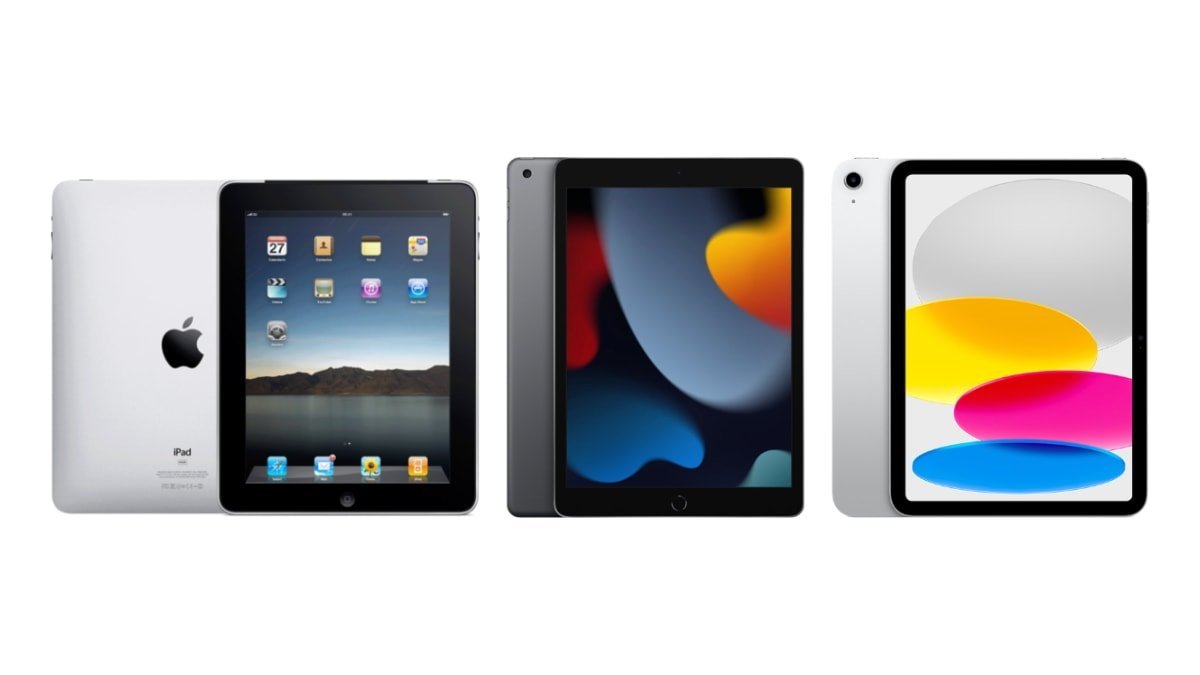
Remember a time when "tablet" evoked images of clunky, stylus-driven devices running desktop operating systems? It wasn't that long ago. In 2010, the landscape of personal computing was abruptly reshaped, sparking a fiercely contested battle known as the "Original iPad vs. Competitors: A Historical Look." This wasn't just about a new gadget; it was a redefinition of how we interact with technology, challenging incumbents and spawning a wave of rivals eager to claim their piece of the pie.
At a Glance: The Genesis and Aftermath of the Original iPad
- A Market Transformed: Apple's 2010 iPad launch didn't just introduce a device; it created a viable new product category, transforming how we consumed media and interacted with computing.
- The iPad's Winning Formula: Success hinged on its intuitive capacitive multi-touch interface, minimalist design, highly responsive screen, and a rich, dedicated app ecosystem.
- Early Skepticism, Rapid Adoption: Despite initial doubts from critics, consumers quickly embraced the iPad's simplicity and utility.
- Competitors Scramble: Rival tech companies, caught off guard, rushed to market with their own tablets, often leading to fragmented operating systems and underdeveloped app support.
- Apple's Strategic Diversification: Apple maintained its lead by expanding the iPad family with the iPad mini, iPad Air, and later the powerful iPad Pro, targeting various user needs and price points.
- Ecosystem as a Moat: The robust and well-curated App Store proved to be an almost insurmountable barrier for many competitors in the early years.
- Long-Term Impact: The original iPad set the standard, forcing competitors to innovate and ultimately shaping the modern tablet market we know today.
The World Before the iPad: A Fragmented Dream
Before January 27, 2010, the concept of a tablet PC wasn't new. Microsoft had pushed Tablet PCs for years, envisioning stylus-driven slates running Windows. Other companies had experimented with portable devices. These early attempts, however, largely failed to capture mainstream appeal. They were often expensive, unwieldy, featured resistive touchscreens requiring precise stylus input, and ran full desktop operating systems ill-suited for finger navigation. The market, it seemed, was waiting for something different, something simpler, something magical.
Apple, ever the disruptor, had been conceptualizing a tablet-like device as early as 2004, long before the iPhone. They understood that the key wasn't to shrink a computer, but to re-imagine the computing experience entirely for a mobile, touch-first paradigm. This foresight would prove crucial.
January 27, 2010: The Unveiling of a "Magical" Device
When Steve Jobs unveiled the iPad, the reception was mixed. Some hailed it as revolutionary, while others questioned its purpose, famously calling it "just a big iPhone" or a device "without a problem to solve." But Apple wasn't aiming for a laptop replacement; they were creating a new category for consumption, casual creativity, and easy interaction. The original iPad landed with distinct models: A1219 (Wi-Fi) and A1337 (Wi-Fi and 3G), available in 16, 32, and 64 GB capacities. It featured a black front bezel, a now-iconic 30-pin connector, and a standard SIM tray for the cellular model.
What Made the Original iPad Tick?
The initial iPad's success wasn't born from a single feature, but a potent combination of thoughtful design and integrated technology:
- Capacitive Multi-Touch: This was arguably the biggest game-changer. Unlike the resistive screens of competitors that required pressure, the iPad's capacitive screen responded to light finger taps and swipes, enabling fluid multi-touch gestures like pinch-to-zoom. It was intuitive, responsive, and frankly, delightful to use.
- Sleek Design and Build Quality: Encased in aluminum, the iPad felt premium and sturdy. Its minimalist aesthetic was a stark contrast to the often utilitarian, plastic-clad devices that preceded it.
- Responsive Screen: The 9.7-inch display, while not "Retina" initially, was bright and clear, making content consumption – from browsing the web to reading books and watching videos – a pleasure.
- Robust App Ecosystem: This was Apple's secret weapon. Leveraging the already successful App Store from the iPhone, Apple ensured a wealth of optimized applications were available from day one. Many competitors would struggle mightily to replicate this crucial advantage. This thriving digital marketplace became central to the burgeoning tablet app ecosystem and the iPad's perceived value.
- iOS (then iPhone OS): The operating system, essentially an enlarged version of the iPhone's OS, was simple, consistent, and user-friendly. It eliminated the complexity of desktop OSes, making the iPad accessible to a much broader audience.
- Battery Life: Offering around 10 hours of use, the iPad was designed for extended content consumption, unlike many early laptops or even smartphones of the era.
- Content Consumption Focus: Apple positioned the iPad as the ideal device for browsing, emailing, photos, video, music, games, and e-books – a clear, compelling value proposition that resonated with users.
The Initial Scramble: Competitors React (Often Panicked)
The iPad's immediate success sent shockwaves through the tech industry. Companies that had dismissed tablets or focused on niche enterprise solutions suddenly found themselves playing catch-up in a consumer-driven market Apple had just defined. Many rivals raced to market, often with products that felt rushed and incomplete.
The Early Android Charge: Quantity Over Cohesion
Google's Android operating system, already a strong contender in the smartphone market, quickly became the platform of choice for many iPad challengers. Manufacturers like Samsung, Motorola, and Acer jumped in, eager to replicate the iPhone-Android rivalry in the tablet space.
The Samsung Galaxy Tab 7, launched in late 2010, was one of the first significant Android tablets to hit the market. While laudable for its smaller, more portable form factor, it ran an Android version (often Froyo 2.2 or Gingerbread 2.3) that was essentially scaled-up for phone screens, not optimized for tablets. This led to a frustrating user experience with pixelated apps and an interface that felt stretched. This issue plagued many of Android tablets that emerged in its wake for years.
Many early Android tablets suffered from:
- Operating System Fragmentation: Different manufacturers used different Android versions, leading to inconsistent experiences and slower updates.
- Lack of Tablet-Optimized Apps: Developers were slow to create dedicated tablet apps for Android, meaning users were often left with stretched smartphone apps or web interfaces.
- Inconsistent Hardware: Quality varied wildly, from decent to downright shoddy, making it hard for consumers to choose.
- Price Parity without Value Parity: Many were priced similarly to the iPad but offered a demonstrably inferior user experience.
Beyond Android: Niche Players and Failed Experiments
The competitive landscape wasn't just Android. Other ambitious players tried to carve out a niche:
- BlackBerry PlayBook (2011): Running the QNX operating system, the PlayBook was technically impressive with its multitasking capabilities and powerful hardware. However, it launched with a severe lack of apps and relied heavily on being tethered to a BlackBerry smartphone for email and calendar functionality, confusing consumers and hindering adoption.
- HP TouchPad (2011): Built on the much-praised WebOS, acquired from Palm, the TouchPad had potential. Its card-based multitasking was innovative, and its design was respectable. Yet, a combination of poor marketing, a lack of compelling apps, and a high price point led to its spectacular failure, culminating in a fire sale just weeks after its launch. It served as a cautionary tale of how quickly a promising product could fizzle out without proper ecosystem and market strategy.
These examples highlighted a crucial lesson: simply having capable hardware or a novel OS wasn't enough. The complete package – hardware, software, app ecosystem, and a clear value proposition – was paramount.
Apple's Early Advantage: Ecosystem and Polish
Apple's ability to integrate hardware and software from the ground up, coupled with its control over the App Store, gave the iPad an almost insurmountable lead in its formative years.
Apps, Apps, Apps: The Unbeatable Edge
The App Store was more than just a place to download software; it was a carefully curated ecosystem. Apple actively encouraged developers to create tablet-specific versions of their apps, offering a consistent and high-quality experience. From productivity suites to games and educational tools, the iPad offered a rich array of software that simply wasn't available or wasn't as polished on competing platforms. This vast and growing library cemented the iPad's utility and desirability.
Design, Usability, and Brand Loyalty
Beyond apps, Apple's meticulous attention to detail in industrial design and user interface polish paid dividends. The iPad was easy to use right out of the box, requiring minimal setup and offering an intuitive experience that even tech novices could master quickly. This ease of use, combined with Apple's strong brand loyalty built over years, helped the iPad weather initial skepticism and quickly dominate the nascent tablet market.
Diversification and Consolidation: Apple's Strategic Moves
Apple didn't rest on its laurels. Recognizing different market segments, they strategically diversified the iPad product line, ensuring continued relevance and market dominance.
Enter the Minis and Airs: Segmenting the Market
The immediate success of the original iPad led Apple to explore variations in size and performance.
- iPad mini (Original - Oct 2012): Apple introduced the original iPad mini (models A1432, A1454, A1455) with a 7.9-inch screen, directly addressing consumers who found the 9.7-inch iPad a bit too large. It brought the core iPad experience into a more portable and often more affordable package. The the evolution of the iPad mini continued with Retina displays and Touch ID in subsequent generations, catering to those who valued portability without sacrificing the robust app ecosystem.
- iPad Air (1st Generation - Oct 2013): True to its name, the iPad Air (models A1474, A1475, A1476) was significantly thinner and lighter than its predecessors, replacing the standard iPad line for several years. It maintained the 9.7-inch Retina display but with a much more refined design. Apple's lighter, thinner iPad Air series pushed the boundaries of portable design and performance, often serving as the benchmark for premium tablets.
These introductions ensured that regardless of a user's preference for size or weight, there was an iPad tailored to their needs, further solidifying Apple's grip on the tablet market.
The Pro Era: Targeting Professionals
In 2015, Apple again broadened its strategy with the introduction of the iPad Pro line, signaling a clear intent to move beyond content consumption and into serious productivity and creative work.
- iPad Pro 12.9-inch (1st Generation - Sep 2015): This larger iPad, alongside its 9.7-inch counterpart in 2016, introduced support for the Apple Pencil and the Smart Keyboard. These accessories, combined with more powerful processors (like the A9X chip), aimed directly at artists, designers, and business users seeking a more versatile computing experience. the powerful iPad Pro line evolved rapidly, eventually adopting M-series chips, Liquid Retina XDR displays, and advanced features like LiDAR scanners, blurring the lines between tablets and traditional laptops.
This strategic expansion allowed Apple to cover nearly all segments of the tablet market, from casual users to demanding professionals, always maintaining a cohesive software experience thanks to iPadOS (introduced in 2019) with its improved multitasking capabilities.
The Evolving Competitive Landscape (Post-2012)
While Apple maintained its lead, competitors didn't give up entirely. Over time, the market matured, and rivals began to find their footing by focusing on specific niches or offering compelling alternatives.
Android Finds Its Footing
After the initial missteps, Android tablets gradually improved. Google's own Nexus line (like the Nexus 7 and Nexus 10), often developed with partners like Asus or Samsung, showcased what a more optimized Android tablet experience could be. Samsung, in particular, persisted, refining its Galaxy Tab line with better hardware, stylus support (S Pen), and eventually, its own custom software overlays that attempted to bridge some of Android's tablet shortcomings. Amazon's Fire tablets carved out a successful niche as affordable, content-consumption devices, leveraging Amazon's vast ecosystem of media and services rather than general productivity.
Windows Enters the Fray
Microsoft, after its early Tablet PC efforts, re-entered the tablet space decisively with the Surface line, starting in 2012. The original Surface RT and Surface Pro offered a unique hybrid approach, blending tablet portability with laptop productivity, complete with a kickstand and detachable keyboard cover. This represented a fundamental difference in philosophy: while the iPad started as a content consumption device that grew into productivity, the Surface started with productivity and adapted to tablet form factors. This direct competition pushed the boundaries for both types of devices, particularly in areas like pen input and desktop-class multitasking.
Key Lessons from the Tablet Wars
Looking back at the historical competition between the original iPad and its rivals offers invaluable lessons for product development and market strategy.
The Primacy of the Ecosystem
The iPad's enduring success wasn't just about the device itself but the robust ecosystem built around it. A thriving App Store with tablet-optimized applications, seamless integration with other Apple services, and a consistent user experience proved to be an almost impenetrable barrier for many competitors. Hardware alone, no matter how powerful, was insufficient without compelling software and services.
User Experience Reigns Supreme
Apple's focus on intuitive design, responsive touch, and ease of use allowed the iPad to appeal to a broad audience, including those not traditionally tech-savvy. Many early competitors overlooked this, prioritizing raw specs or trying to force a desktop experience onto a tablet, resulting in frustrating user interfaces. A delightful, simple, and consistent user experience is often more critical than a laundry list of features.
The Power of Strategic Diversification
Apple's willingness to expand the iPad family—from the portable mini to the powerful Pro—allowed it to capture different segments of the market effectively. Instead of a one-size-fits-all approach, it offered tailored experiences while maintaining the core iPad identity and ecosystem benefits. This adaptability allowed the iPad to evolve with user needs and defend against specialized competitors.
Addressing Common Questions & Misconceptions
Was the iPad truly "new"?
While the concept of a tablet wasn't new, the execution of the original iPad absolutely was. Earlier devices were often clunky, ran unsuitable operating systems, and lacked a compelling touch interface or app ecosystem. The iPad didn't invent the tablet, but it perfected it for the mainstream, effectively creating a new market category. It was an evolution of existing ideas, brilliantly synthesized and refined.
Did competitors ever truly threaten the iPad's dominance?
In terms of overall market share and cultural impact, no. The iPad maintained a dominant position for many years. However, competitors did succeed in specific niches. For instance, Amazon's Fire tablets found success in the budget content consumption market, and Microsoft's Surface line became a strong contender for users seeking a true laptop-tablet hybrid for productivity. These successes didn't dethrone the iPad but forced it to evolve and differentiate.
Why did so many early competitors fail?
The primary reasons were a combination of rushed development, fragmented operating systems (especially early Android versions not optimized for tablets), a severe lack of tablet-specific apps, and inconsistent hardware quality. Many companies tried to emulate the iPad's form factor without understanding the deeper integration of hardware, software, and ecosystem that made it successful. They built "iPad-killers" without first building a compelling user experience or developer community.
The Enduring Legacy: How the iPad Reshaped Computing
The Original iPad was more than just another gadget; it was a watershed moment in personal computing. It democratized touch interfaces, proved the viability of a post-PC device, and ultimately forced every tech company to rethink how devices could fit into our lives. From shaping the design language of future tablets to influencing the development of mobile operating systems and encouraging a dedicated app culture, its ripple effects are still felt today. The tablet market it ignited continues to innovate, offering diverse options for every need, but it all began with that single, elegant device unveiled in 2010.