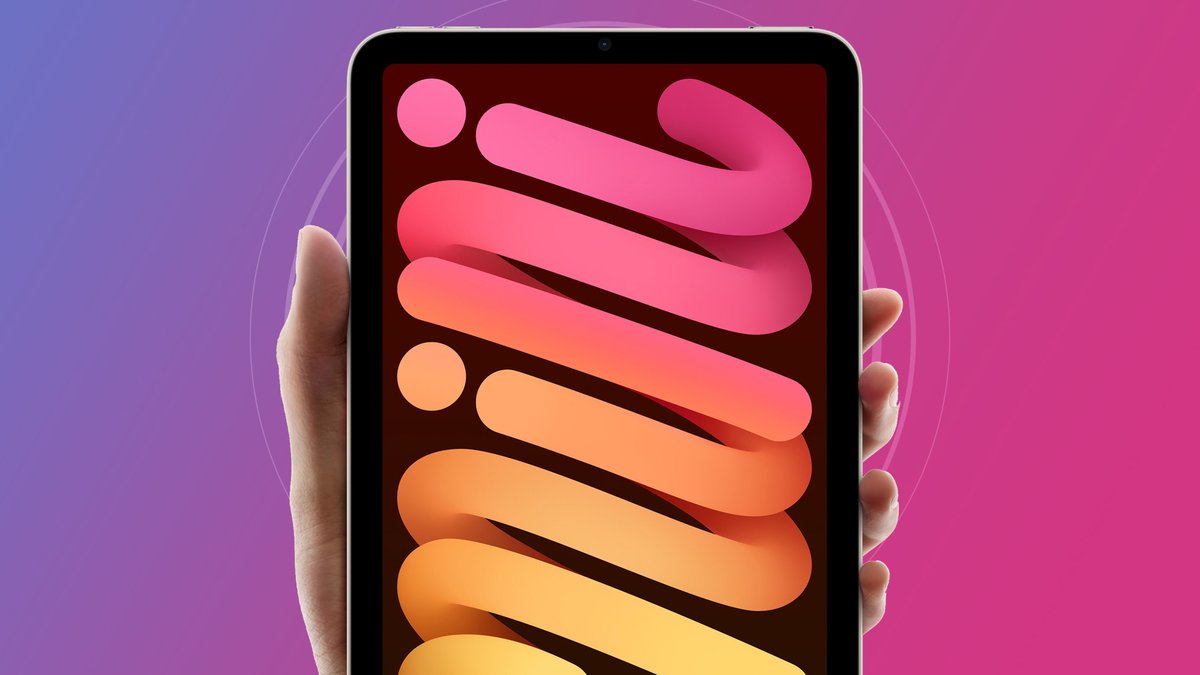
When Steve Jobs unveiled the original iPad in January 2010, the tech world watched with a mixture of awe and skepticism. Was it merely a giant iPhone, or a revolutionary device poised to redefine personal computing? Over a decade later, it's clear the original iPad’s impact and legacy in tech profoundly reshaped industries, user expectations, and the very definition of what a computer could be. It wasn't just a new gadget; it was a foundational shift.
At a Glance: Why the Original iPad Still Matters
- Bridged a Gap: It carved out a vital space between smartphones and laptops, offering portability with a larger, immersive screen.
- Redefined Touch: Perfected the multi-touch interface on a larger canvas, making gestural interaction intuitive for millions.
- Catalyst for Tablets: Ignited the tablet market, inspiring a wave of competitors and cementing its own category.
- Fueled App Ecosystem Growth: Expanded the App Store's potential beyond phones, leading to innovative apps for education, creativity, and productivity.
- Transformed Industries: Revolutionized how content was consumed, taught in classrooms, and used in professional settings like healthcare.
- Evolved into a Mainstream Computer: Its initial consumption focus gradually shifted, through software and hardware advancements, to a powerful creation tool.
A Computing Chasm: The Genesis of a New Idea
Before the iPad, you had smartphones for quick glances and communication, and laptops for serious work. There was a noticeable chasm in between – a desire for something more immersive than a phone but less cumbersome than a laptop for tasks like reading, browsing, or watching videos on the go. Phil Schiller, former Senior Vice President of Worldwide Marketing at Apple, recounts how the journey began after the iPhone’s groundbreaking launch in 2007. His team grappled with a fundamental question: "What could the future of personal computing be?"
This wasn't about simply scaling up an existing device. It was about imagining a completely new way to interact with information and media. They envisioned a device that could be both a delightful consumption portal and a surprisingly capable creation tool, seamlessly blending into daily life.
Empathy-Driven Design: Understanding What You Needed
Apple's development philosophy, as Schiller often emphasized, centers on deep empathy for the user. Through extensive market research, surveys, and usability tests, the team observed how people truly wanted to interact with their digital world. Findings consistently pointed to a desire for a larger screen experience than a phone, yet one that offered superior portability compared to a laptop. This device would be ideal for leisurely activities: curling up on the couch to read a book, browsing the web from bed, or watching a movie on a plane without the bulk of a traditional computer.
This user-centric approach guided the early design principles. It wasn't just about technical specifications; it was about creating a device that felt natural, intuitive, and ultimately, indispensable.
Beyond the "Big iPhone": Design & Innovation that Redefined Touch
The original iPad’s creation was a monumental engineering and design feat. Jony Ive's Industrial Design group spearheaded the aesthetic and functional blueprint, aiming for a device that was thin, lightweight, yet robust enough for daily use. Key elements included a long battery life to support all-day usage, a high-quality screen that made digital content pop, and, critically, unparalleled touch responsiveness.
This focus on the tactile experience was paramount. The iPad’s capacitive multi-touch interface was a direct descendant of the iPhone’s revolutionary touch screen, but scaled to an entirely new dimension. It meant waving goodbye to styluses and clunky navigation buttons, embracing instead a fluid, direct interaction with content. The screen itself, while not yet "Retina," was stunning for its time, designed to make digital magazines, photos, and videos feel vibrant and engaging.
Crafting a "Magical" Experience
When Steve Jobs introduced the iPad, he described it as "magical and revolutionary." This wasn't hyperbole; it captured the essence of a device that seemed to intuitively understand how you wanted to interact with it. The smooth scrolling, the pinch-to-zoom gestures, the immediate responsiveness to every tap – these weren't just features, they were integral to the "magic." The design integrated seamlessly with software, making the hardware disappear into the experience. The original iPad’s emphasis on a simple, intuitive user experience set a new standard for tablet computing.
The OS Evolution: From iOS to a Dedicated Platform
Crucial to the iPad's success was the development of its operating system. Initially running a modified version of iOS, the software was meticulously tailored for a larger, touch-based input. Multi-touch gestures became second nature, and the burgeoning App Store provided an ever-expanding universe of capabilities.
This wasn't just about making iPhone apps bigger; it was about reimagining how those apps could function with more screen real estate. Developers embraced the challenge, creating new experiences that leveraged the iPad’s unique form factor. This foundational work laid the groundwork for future iterations, eventually culminating in iPadOS, a dedicated operating system that further distinguished the iPad from its phone sibling, enhancing its productivity features and cementing its role as a versatile computing platform.
From Skepticism to Soaring Sales: Proving the Naysayers Wrong
The journey wasn't without its bumps. Internally, as Schiller recalls, there was skepticism within Apple itself about the necessity of a tablet. Many wondered if it was simply a larger iPhone, lacking a clear purpose. Externally, initial reviews were mixed, with critics often questioning its utility and asking, "What is it for?"
The Early Doubts
Pundits debated its lack of a physical keyboard, the absence of a camera (in the original model), and its perceived limitations compared to a full laptop. Some suggested it was merely a consumption device, not a tool for serious work. The narrative Apple chose to counter this skepticism was crucial: it wasn't just for consuming content, but a new way to interact with information and a versatile tool for creation too.
The Unexpected Rush
Despite the initial ambivalence, public reception told a different story. When the original iPad launched in April 2010, sales rapidly soared. Millions of units flew off shelves within the first few months, establishing it almost immediately as a cultural phenomenon. It turns out, people did want a device that could bridge that gap between their phone and their computer.
The ease of use, the stunning display, the long battery life, and the growing library of applications resonated deeply with consumers. It became a lifestyle device – perfect for reading in bed, playing games on the commute, watching videos during downtime, and even for light productivity tasks like email and document viewing. The initial skepticism quickly faded as the world realized the original iPad had indeed carved out a new and essential niche.
Transforming Industries: How the iPad Rewrote the Rules
The impact of the original iPad extended far beyond individual users. It catalyzed profound shifts across numerous industries, demonstrating its power as a transformative tool rather than just a personal entertainment device.
Rewriting the Classroom Experience
One of the most significant transformations occurred in education. The iPad offered an intuitive, engaging platform for learning. Interactive textbooks, educational games, and creative tools like drawing apps made lessons more dynamic. Schools and universities began adopting iPads en masse, envisioning a future where every student could have a personalized learning device. It ushered in an era of digital curricula and blended learning environments, moving away from heavy textbooks to lightweight, interactive digital content.
Empowering Professionals and Creatives
While initially seen as a consumption device, the iPad quickly found its way into professional hands. Doctors used them to access patient records and display medical images. Architects presented blueprints with ease. Sales professionals showcased products dynamically. Artists began sketching and painting directly on the screen, foreshadowing the later advent of the Apple Pencil and iPad Pro. Its portability and powerful visual capabilities made it an indispensable tool for on-the-go professionals.
The Digital Content Revolution
The iPad single-handedly invigorated digital publishing, breathing new life into magazines, newspapers, and books. E-books gained massive traction, offering a more comfortable and immersive reading experience than smaller smartphone screens. Publishers rushed to create interactive versions of their content, realizing the potential of a full-color, multi-touch canvas. The iPad not only shifted content consumption patterns but also fostered an ecosystem of innovation in how digital content was created, distributed, and experienced.
The Enduring Legacy: Shaping Today's Tablet Landscape and Beyond
The original iPad’s foundational ideas continue to echo through current technology. Its success laid the groundwork for a burgeoning tablet market, even as many competitors struggled to replicate its magic. It showcased the power of an integrated hardware and software experience, driven by an ever-expanding app ecosystem.
Diversification and Specialization: A Family of iPads
From that single device, a diverse family of iPads emerged. The iPad 2, arriving just a year later, brought a slimmer profile and crucial front and rear cameras, making video calls and casual photography a reality. Later models like the iPad Mini catered to those desiring ultimate portability, while the iPad Air balanced power and thinness.
The most profound evolution came with the iPad Pro, introduced for professional users. These devices, featuring larger displays (up to 12.9 inches), the precision Apple Pencil, and eventually laptop-grade M1 and M2 chips, transformed the iPad into a genuine powerhouse capable of demanding tasks like 4K video editing and 3D modeling. This diversification proved that the tablet concept wasn't monolithic; it could adapt to varied consumer needs, from casual browsing to intense creative work.
iPadOS: The iPad's True Identity
The evolution from iOS to iPadOS marked a critical moment in the iPad's legacy. This dedicated operating system truly distinguished the iPad from the iPhone, enhancing its productivity features to a degree previously unimaginable. Key enhancements included vastly improved multitasking capabilities like Split View and Slide Over, allowing users to run multiple apps side-by-side or overlayed. The introduction of the Files app brought centralized document management, akin to a desktop computer. Support for external accessories like keyboards and mice further blurred the lines between tablet and traditional PC.
These software advancements, coupled with user interface improvements like the customizable Dock and redesigned Home Screen with widgets, refined the user experience, solidifying the iPad's strategic positioning as a viable, mainstream computer alternative.
The "Mainstream Computer" Debate: A New Category
The original iPad faced the "just a big iPhone" criticism. Today, with iPadOS and Pro models, the debate has shifted: "Can an iPad truly replace a laptop?" While the answer often depends on individual workflows, the very fact that this question is seriously debated is a testament to the original iPad's long-term vision. It successfully created a new category of personal computing, one that continues to grow in capabilities, versatility, and market share. Its continuous evolution, driven by advancements in hardware and software, demonstrates a clear path forward for this unique form factor.
The original iPad's core ethos, as Phil Schiller articulated, endures: innovation stems from understanding people (empathy), delivering seamless experiences, incorporating user feedback, and fostering strong collaboration across design, engineering, and marketing teams. This collaborative, user-focused approach ensures the iPad’s future evolution will continue to be influenced by emerging technologies like augmented reality (AR), artificial intelligence (AI), and enhanced connectivity, pushing the boundaries of what a tablet can do.
Addressing Common Questions About the Original iPad's Place in Tech History
The original iPad was, and remains, a fascinating subject of debate and analysis. Let's tackle some common questions and misconceptions.
Was the iPad truly innovative, or just a bigger iPhone?
This was the most common criticism at its launch. While it shared a similar UI and app ecosystem with the iPhone, calling it "just a bigger iPhone" misses the profound impact of scaling up that interface. The larger screen fundamentally changed how users consumed and created content, opening doors for rich, immersive experiences that weren't practical on a phone. Its innovation lay not just in new tech, but in repurposing existing tech in a way that unlocked entirely new user behaviors and use cases. It wasn't a bigger iPhone; it was a smaller, simpler computer.
Did the iPad kill netbooks?
Yes, largely. Netbooks were a short-lived fad before the iPad. They offered cheap, small, underpowered laptop experiences. The iPad provided superior portability, battery life, a far more intuitive interface, and access to a rapidly growing app ecosystem, all at a comparable or even better price point. Users quickly abandoned the clunky, slow netbooks for the sleek, responsive iPad, effectively rendering the netbook category obsolete almost overnight.
Why did some early competitors struggle to match the iPad?
Many early Android tablets, despite powerful specs, often struggled with two key areas: software optimization and app ecosystems. Google's Android was not initially optimized for larger tablet screens, leading to stretched phone apps and a less cohesive user experience. Furthermore, the App Store had a significant head start, offering a vast library of tablet-optimized applications that competitors simply couldn't match quickly. Apple's tightly integrated hardware and software approach proved a difficult standard to beat.
What's the most significant long-term impact of the original iPad?
Beyond its immediate sales success, the original iPad's most significant long-term impact is its role in democratizing touch-based computing on a larger canvas. It set the precedent for how tablets should function and feel, cementing multi-touch as the primary mode of interaction for an entire class of devices. It also proved that a device primarily designed for "consumption" could evolve into a powerful "creation" tool, fostering the belief that personal computing could be versatile, intuitive, and mobile, rather than confined to a desk. It initiated the blurring of lines between distinct device categories, a trend that continues today. To truly appreciate its genesis and initial offerings, you can always Explore the first generation iPad.
Looking Ahead: The iPad's Blueprint for Future Innovation
The original iPad wasn't just a product; it was a blueprint. It demonstrated Apple’s unique ability to introduce a device that seemingly few asked for, yet quickly became indispensable. Its launch represented a bold gamble on a new form factor and a new way of interacting with technology, a gamble that undeniably paid off.
From its humble beginnings as a "magical" content consumption device, the iPad has blossomed into a formidable platform. Its evolution into a pro-grade machine capable of replacing traditional computers for many professionals speaks volumes about the foresight embedded in that original design. The seamless integration of hardware, software, and services established a paradigm that continues to drive innovation, not just within Apple but across the entire tech industry.
The journey initiated by the original iPad underscores a timeless lesson in technology: true innovation isn't always about inventing something entirely new, but often about reimagining existing concepts, refining user experiences, and addressing unarticulated needs. The iPad's future, as Phil Schiller noted, remains vibrant, poised to integrate emerging technologies like augmented reality (AR), artificial intelligence (AI), and advanced connectivity, pushing the boundaries of what a personal computing device can be.
Your Turn: Reconsidering a Tech Icon
The original iPad may seem rudimentary compared to today's M-series powered behemoths, but its impact is undeniable. It sparked a revolution, challenged conventions, and laid the groundwork for a computing category that continues to thrive and evolve. So, the next time you pick up a tablet – any tablet – take a moment to consider the profound legacy of that sleek aluminum slab unveiled by Steve Jobs over a decade ago. It wasn't just a device; it was the start of a new chapter in personal technology, one that continues to be written today.